


 Schedule
 some animals off exhibit in winter or inclement weather
 Habitat
 Zoo
Map
Details
 Size
Height:
Height: 24‑28 in (52‑72 cm)
Weight:
6‑9 lbs (3‑4 kilograms)
 Zoo
Diet
Carnivores - Fish, cephalopods, crustaceans
 Conservation
Status
Critically Endangered
Classification
Habitat & Range
Islands and coast of Southwest Africa
African Penguins
Our Gallery






More Animals


Domestic Goat
Goats are versatile, domesticated animals kept for meat, milk and fiber. They are intelligent, social and can be difficult to herd. A group of goats is called a trip. Captive trip size varies greatly, but wild goat trips are typically 5 to 20 individuals. Goats communicate through sounds called “bleats.” Goats bleat when stressed, hungry, or calling to another individual. Goats also communicate through body language.
Learn More
Masai Giraffe
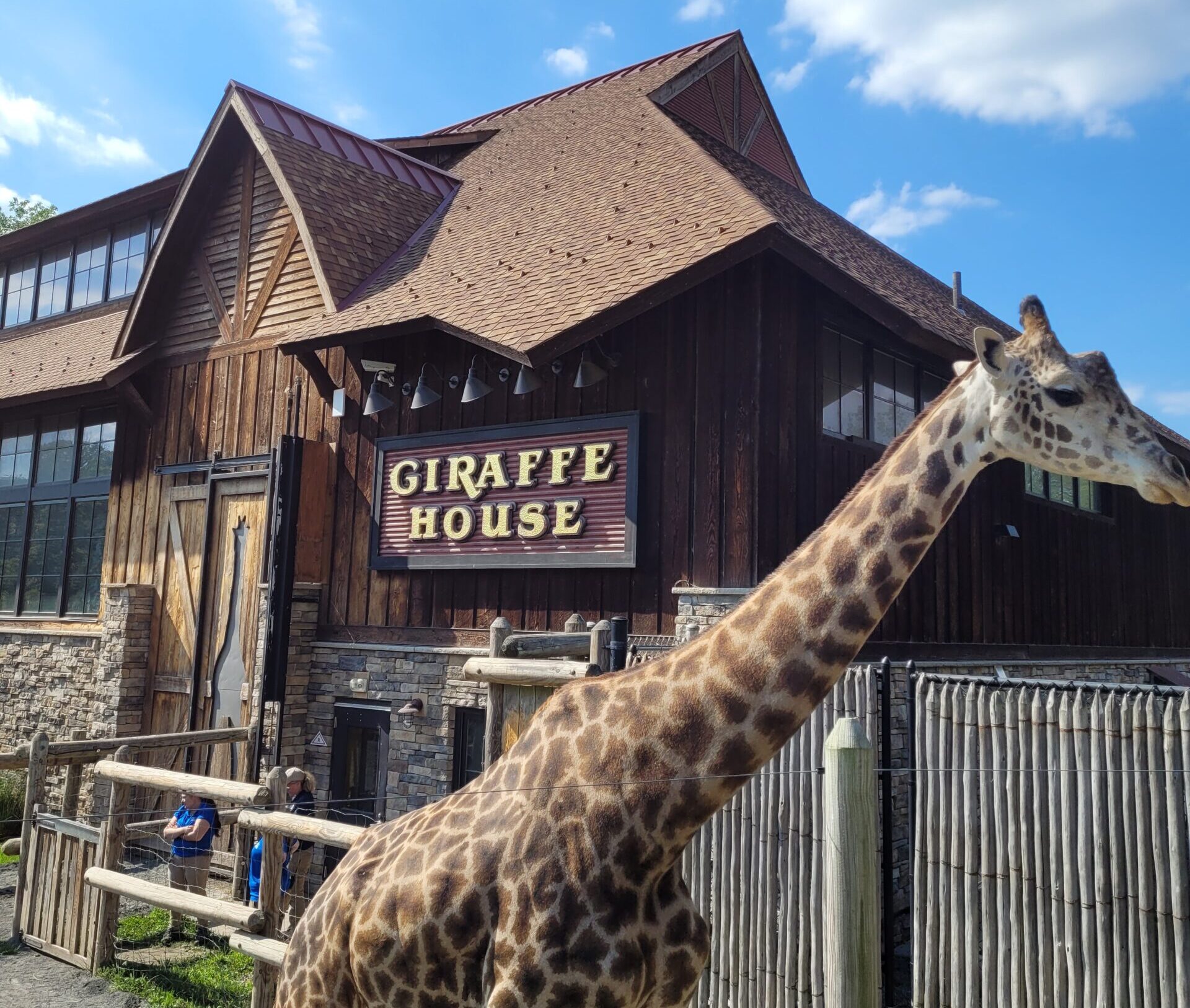
NEW CONTRUCTION! We are excited to be starting construction on our Hoofstock Barn coming in 2027. Giraffe Habitat may be impacted (giraffe, ostrich, bongo, giraffe feed) Masai giraffes (Giraffa camelopardalis tippelskirchi) can be found across central and southern Kenya and south into Tanzania. These mammals have large, distinctive, dark brown, vine-leaf shaped, jagged spots interspersed by creamy-brown irregular lines. Just like human fingerprints, no two giraffes have the same coat pattern. In the wild, giraffe social groups are fluid and young giraffe males often form bachelor groups. Although they are the most populous of the subspecies, it is estimated there are fewer than 37,000 remaining in the wild, (recent reports of poaching would suggest it likely to be significantly less). Turtle Back Zoo is an accredited member of the Association of Zoos & Aquariums (AZA) and the giraffes are here as part of the AZA Species Survival Plan (SSP). SSPs are coordinated plans to manage the genetic diversity of animal species held in AZA zoos. In support of this plan, TBZ’s exhibit features a bachelor herd of four Masai males. One of the most striking features of the Masai giraffe is its distinctive coat pattern. The irregular and jagged spots that adorn its body are reminiscent of an intricate mosaic. The dark brown spots are set against a canvas of cream-colored lines, creating a visual spectacle that distinguishes the Masai giraffe from its giraffe counterparts. Rising to towering heights of up to 18 feet (5.5 meters), Masai giraffes are among the largest of their kind. Males and females exhibit slight variations in size, with the males typically being larger. Their long necks, which seem to defy gravity, and elongated legs are marvels of adaptation, allowing them to reach the uppermost branches of trees. These unique physical attributes are not only essential for feeding but also contribute to the giraffe's unmistakable elegance Despite their regal presence, Masai giraffes face numerous threats to their existence. Habitat loss due to human encroachment, human-wildlife conflict, and poaching are significant challenges. The encroachment of human activities disrupts traditional migratory routes and leads to the fragmentation of their habitats. Conservationists and local communities are working tirelessly to address these challenges through initiatives that focus on habitat protection, community-based conservation, and anti-poaching efforts. VIEWING ALERT General guidelines are Giraffes can be seen in their outdoor habitat if it's at least 55 degrees & nice weather. If too cool, raining/thundering, they'll be inside their heated barn.
Learn More

Red Panda
With a mild disposition and known to be gentle, quiet, and curious. Their usual vocal call is a series of short whistles or squeaky noises. When provoked, the red panda will give a sharp, spitting hiss or a series of snorts while standing on its hind legs. Red pandas, like giant pandas, are bamboo eaters native to Asia’s high forests. Despite these similarities and their shared name, the two species are not closely related. Red pandas are much smaller than giant pandas and are the only living member of their taxonomic family. Red pandas are classified as carnivores, but their diet is composed almost entirely of bamboo. They tend to be more active in daylight during the summer, when engaging in arboreal feeding.
Learn More
Jaguars
Jaguars are the third largest cat in the world and the largest cat in the Americas. A jaguar’s eye-catching spots resemble roses (also known as rosettes) and they help to distinguish them from other cats. Unlike breeds of cats, the jaguar enjoys water and has the ability to roar.
Learn More
Bald Eagle
The bald eagle population plummeted from abundant to endangered, with only 417 pairs left in 1963. Thanks to tireless conservation efforts, this fish-eating raptor rebounded and has since been removed from the National and New Jersey State Endangered Species List.
Learn More

North American River Otter
Feeling playful, full of energy and love to swim? Then splash into the world of our North American River Otter! Fresh water cascades down from the rock ledges into a babbling stream and viewing pond for the enjoyment of our frisky mustelid! A cousin to the badger and wolverine, this puppy-like mammal is hard to imagine as a voracious hunter, but don’t be fooled by looks. In the wild, the carnivorous otter is constantly on the search for prey using its’ keen sense of smell, its’ flexible muscular body and strong jaws. On land and in the water, the Zoo’s River Otter displays these same intense hunting skills. Well, in between afternoon naps and playing rounds of high spirited “otter games” of course!
Learn More
American Alligator
Enter Florida’s wooded wetlands for your encounter with an animal that remains unchanged after millions of years. Which ancient reptile can lie camouflaged beneath the water’s surface, has enough strength to catch, drown and devour a 200lb. deer, and yet is so gentle it will carry its’ young tenderly within those same powerful jaws?The answer is the American Alligator! To play “mom” is truly unique behavior for any reptile, especially one who resembles a dinosaur. Thick leathery scales armor this predator from tip to tail, but that doesn’t prevent this maternal alligator from showing a soft side to her young. For not only does she vigorously protect her nest of eggs, but also her growing offspring for up to a year!
Learn More
Budgerigar
Parakeet is the common name for a diverse group of small parrots. Some parakeet subspecies are the budgerigar or "budgies". Budgies are nomadic and move to find food and shelter in their dry habitats. They live in flocks that vary in size depending on the local availability of food from 20-30 to hundreds! The male budgerigar has a blue nose while the female budgie's nose is brown in color. The free-flight aviary is usually open mid-May through the end of September.
Learn More


Pony
The term “pony” is generally used to describe various horse breeds that are between 34–56 inches at the shoulder. Researchers believe ponies were domesticated between 4,000 and 2,00O B.C.E.
Learn More
Bennett’s Wallaby
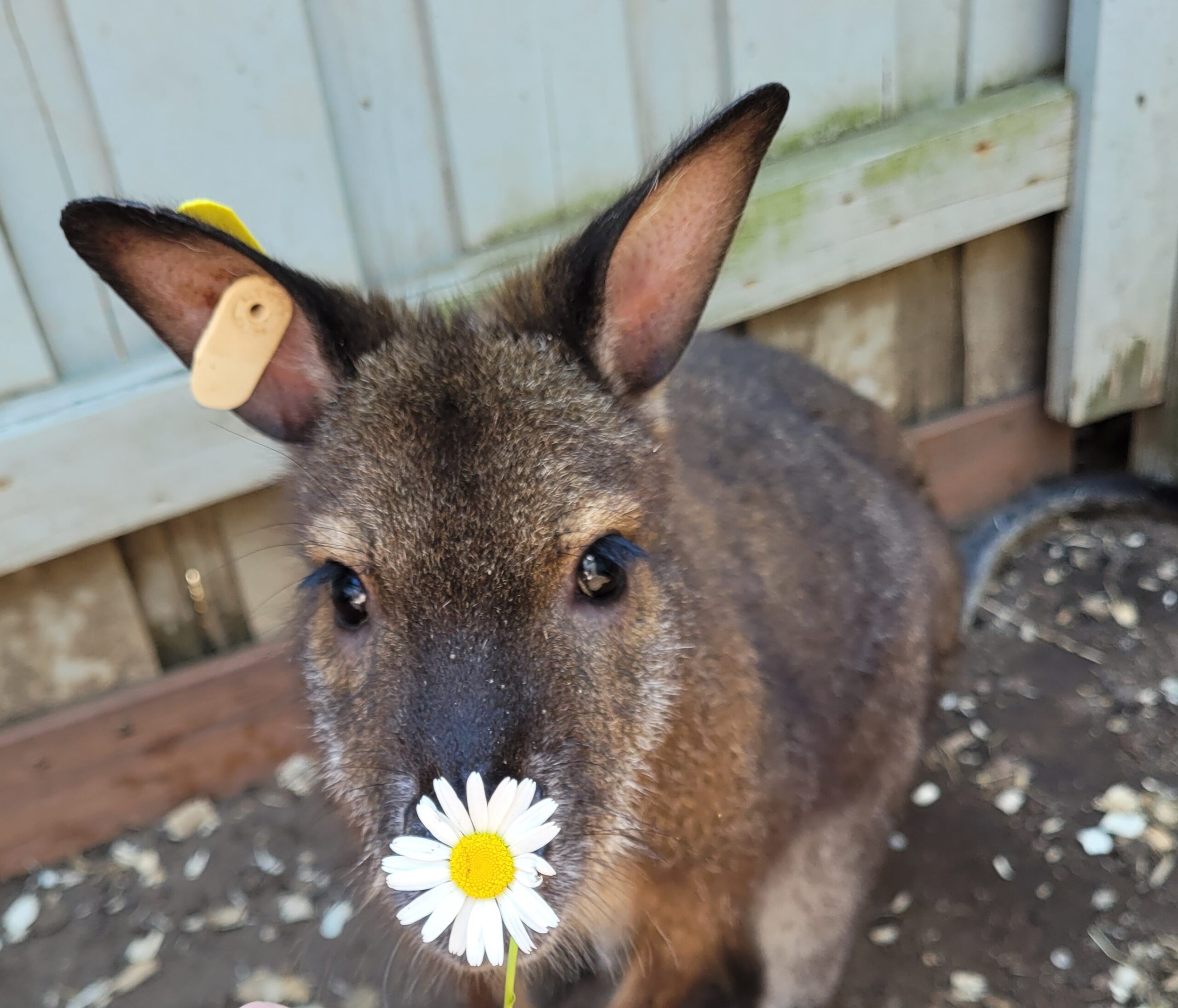
Bennett's wallabies, sometimes called red-necked wallabies, are medium-sized marsupials. Although best known for hopping, wallabies can also crawl and swim! Wallabies breed year-round, so you could see a joey on any visit, though most joeys are born during the summer.
Learn MoreConservation
Habitat conservation is a management practice that seeks to conserve, protect and restore habitats and prevent species extinction, fragmentation or reduction in range. It is a priority of many groups that cannot be easily characterized in terms of any one ideology. Tree planting is an aspect of habitat conservation.
Conservation