
Events
View all
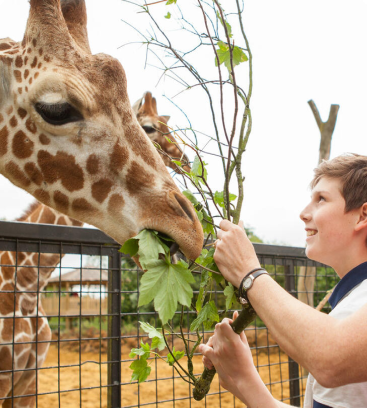
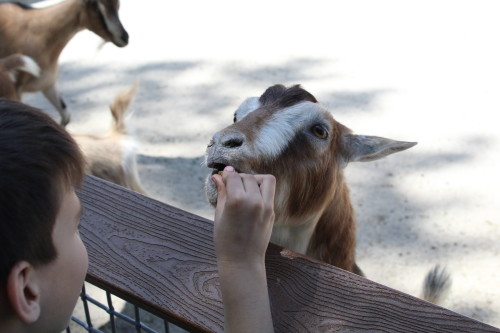
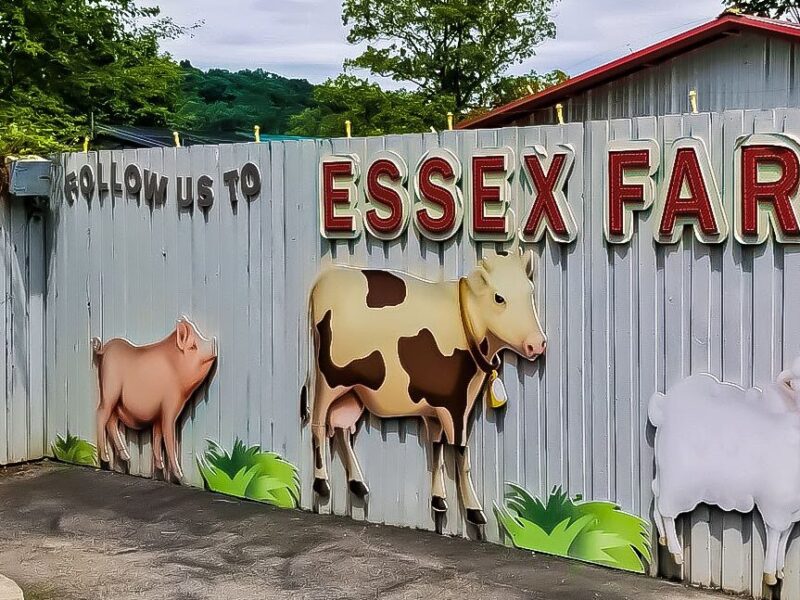
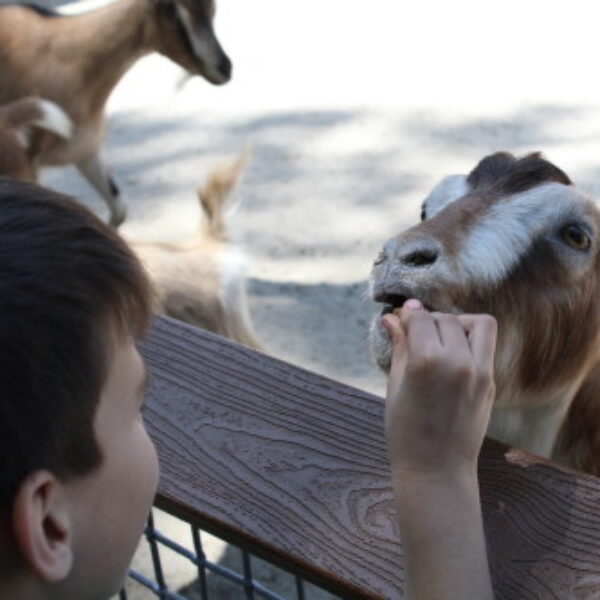
From our smallest spider to the half-ton North American Bison in our Great Plains Exhibit, Essex County’s Turtle Back Zoo offers a look at more than 100 different species of native and exotic animals from five continents. Get up close and personal with our animals at our Essex Farm Petting Zoo, and don’t forget to take a tranquil ride through South Mountain Reservation on our miniature train. Come back often as we constantly are adding new and exciting natural habitat exhibits for our animals. Whether you spend a day or an afternoon, Turtle Back Zoo is a special place where children and their families can learn about animals and gain appreciation for nature. I invite you to Experience Essex and Turtle Back Zoo.
Joseph N. DiVincenzo, Jr.
Essex County Executive
About The zoo
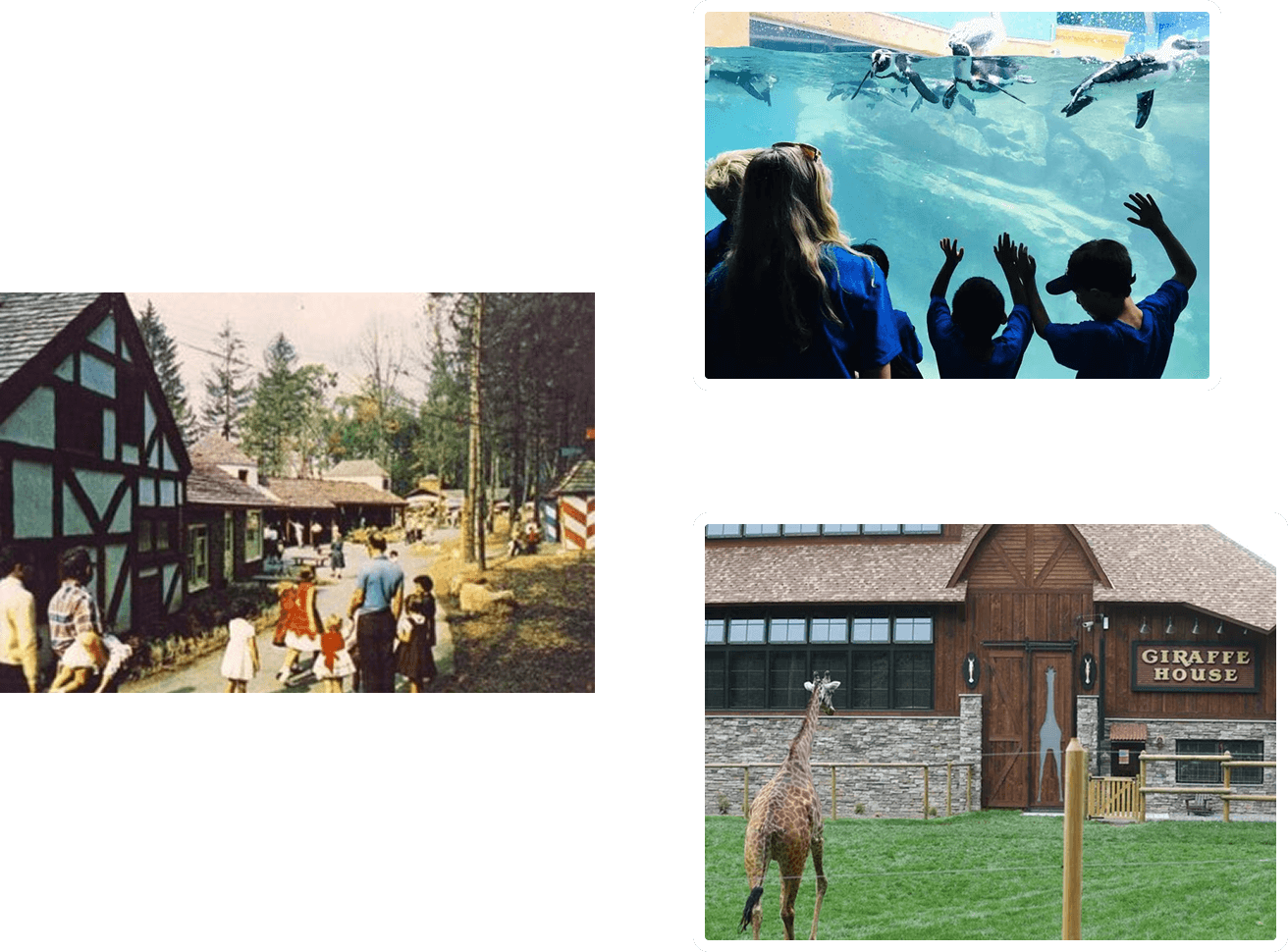
For over 60 years, we have been inviting people to explore animals and habitats from around the world at their local zoo.
Learn More
+
+
+
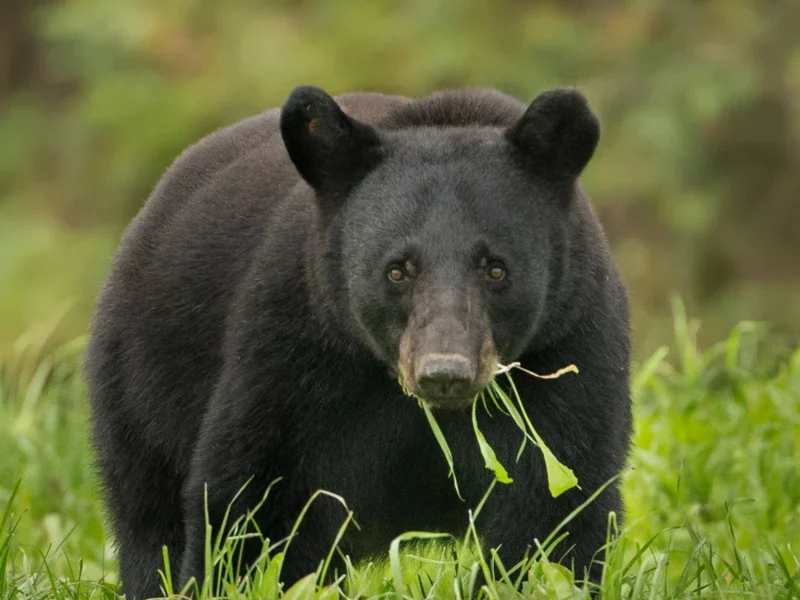
Come celebrate World Bear Day with our very own diva, Jelly! 🐻
Jelly is an American Black Bear (Ursus americanus), the smallest and most widely distributed species of bear in the Americas. Chances are, if you`re from this region, you`ve seen or heard of black bears in the area. They were once found in 49 of the 50 states but are now locally extinct in a good chunk of the Midwest.
In New Jersey, the best thing to do if you see a black bear is to keep your distance & leave it alone. If you live in a more wooded area, consider bear-proofing your garbage bins to discourage black bears from foraging near humans. Only call wildlife authorities if the bear is acting extremely aggressive and you fear for your safety or for others nearby. New Jersey is their home too!
Unfortunately, of the 8 species of bears around the world, 6 are considered vulnerable or threatened. The threats to bears include climate change (in the case of polar bears), habitat fragmentation/deforestation (sun bears, panda bears, Asian black bears), and poaching/illegal trade (sloth bears, spectacled bears).
We know Jelly can be hard to see at times, so check out her habitat first thing at zoo opening or for one of her scatter feeds scheduled daily around 12pm & 3pm.
Mar 23
We gave you a sneak peek at the end of 2025 and you have been patiently waiting for an update on everyone`s favorite large rodent. That`s right, we are talking about CAPYBARAS!
Welcome new couple Iris and Poseidon! Weather pending, Poseidon will start having access to explore the new updated habitat (by the Savanna cafe) in the next coming weeks.
Capybaras (Hydrochoerus hydrochaeris) are the largest living rodent species in the world. Their closest known relatives include rock cavies and guinea pigs, but they are semiaquatic like beavers, nutria, and muskrats, hence the water themed names! So, when you look for them, check the water first! 🌊
Mar 22
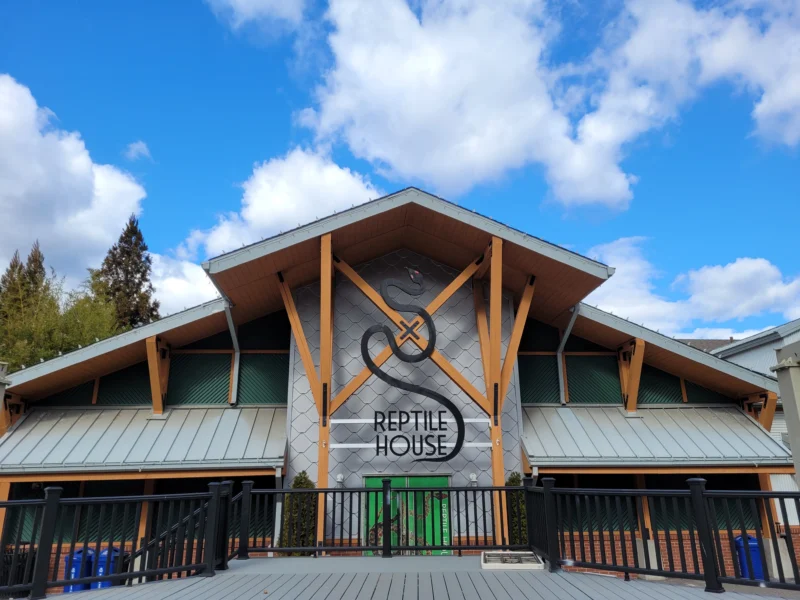
Here at the Essex County Turtle Back Zoo, people may think we are partial to the turtle, but we love our amphibians too! 🐸 So today, let`s celebrate World Frog Day! We have four species of frog that can be seen in the Reptile House: Splendid Tree Frogs (Litoria splendida), Amazon Milk Frogs (Trachycephalus resinifictrix), Dyeing Poison Dart Frogs (Dendrobates tinctorius), and Lake Titicaca Frogs (Telmatobius culeus). In the wild, three of the four species can be found in South America, while the Splendid Tree Frogs are found in Northwest Australia.
🐜Dyeing Poison Dart Frogs are one of the largest and most variably colored species of poison dart frogs. Unlike our other frogs mentioned so far, this species tends to stick closer to the ground. Like many other poison frogs, they do not actually produce their own toxin but instead become toxic due to their high alkaloid diet of ants & mites in the wild.
🥛Amazon Milk Frogs get their name because they are found in the Amazon rainforest and secrete a sticky milk-like substance when they feel threatened. While they are primarily arboreal, they do spend a good amount of time in water and will often live specifically in trees that are above permanent water sources.
🌙Splendid Tree Frogs are a nocturnal species that live mainly in trees, but they can also be found in caves or rock crevices throughout the day when they are resting. They also tend to live in areas near humans and can even be found in toilets or showers on occasion! They are also relatively common pets in Australia.
⛵Lake Titicaca Frogs are found in only ONE lake in the Andes Mountains (the eponymous lake from which they are named). Because their natural habitat is restricted to this singular lake, any human interaction or other environmental damage affects their population very greatly. They are endangered, mainly due to pollution, over-hunting by humans, and the introduction of an invasive species of trout.
Have you been able to spot all 4 species in our Reptile House?
Mar 21
𝗪𝗲’𝗿𝗲 𝗲𝘅𝗰𝗶𝘁𝗲𝗱 𝘁𝗼 𝘀𝗵𝗮𝗿𝗲 𝘀𝗼𝗺𝗲 𝗯𝗶𝗴 𝗻𝗲𝘄𝘀 𝘄𝗶𝘁𝗵 𝗼𝘂𝗿 𝗭𝗼𝗼 𝗰𝗼𝗺𝗺𝘂𝗻𝗶𝘁𝘆! 🐾🏒
The @ZoologicalSocietyofNJ is officially partnering with the @pwhl_sirens and we couldn’t be more thrilled to bring our communities together.
This new partnership means exclusive ticket opportunities for our members and a special fundraising game where a portion of every ticket sold will support the animals, conservation work, and education programs you love at @OfficialTurtleBackZoo!
We hope you’ll join us for a fun night cheering on the Sirens and celebrating this new collaboration.
Learn more and grab your tickets here:
https://www.gofevo.com/event/ZoologicaSocietyofNJ4.1
Mar 19
Something turtley awesome just dropped! 🐢📱
The very first app for Essex County Turtle Back Zoo is here and it’s paws-itively a game changer!
Now you can:
🗺️ Map out your adventure without getting lost in the wild
🦁 Stay in the know while you’re on the prowl
📲 Have the whole zoo right at your fingertips
🎧 Tap into audio tours and scavenger hunts that turn every visit into a wild little adventure
♿ Use the accessibility map to plan your route and roam the zoo
No app store needed! Open the link on your phone, download, and you’re ready to roam.
https://bycell.co/ddlxp
It’s time to stop lion around… your zoo day just got an upgrade! 🌿
Mar 18
It`s easy bein` green 🍀💚
Mar 17
Join us for Keeper Talks every day to learn about our animals from the people who care for them! Check out the full list of offerings on our website to help plan your next visit & check the up-to-date schedule at the front gate for daily times & locations. 🐾
Which are you most excited to see? 👇
Mar 17
Members 👀
The next Member Morning is shaping up to be a roar-ing good one. 🦁
Check your email for all the details... this is one you won’t want to miss!

Not a member? www.zoologicalsocietyofnj.org/membership
Mar 15
Cub date 🐾
Just now passing 15 weeks, the cubs have begun to get different enrichment items to examine, test & pounce! Also with the weather warming, the cubs are beginning to explore the outdoors, currently off public view.
⚖ At their last vet check, Anga is now 10.8kg (23.8 pounds) and Kito weighs 15.9kg (35 pounds). Growing so fast!🌱
⛔Please note there may be path closures and detours throughout African Adventure in March as we work to make updates & prepare for the cubs to go into the large yard on public view later this month.
Mar 15
Make the Zoo your summer spot! Spend a week this summer at Zoo Summer Camp. ☀️
Registration now open! Grab your spot soon as some weeks are sold out.
Mar 14
Do you consider Friday the 13th to be a lucky or unlucky day? Here, we believe it`s a lucky day because we get to share some fun facts about animals as omens!
🦉Owls are the symbol of Athena, Greek goddess of wisdom and war. Seeing an owl means some changes are coming your way!
🐢Turtles, bison, bears, and eagles are all part of the Seven Grandfather Teachings of the Anishinaabe clans, symbolizing strength and stability, respect, bravery, and honesty, respectively.

🐍Snakes can represent temptation and greed or represent longevity, intelligence, and adaptability, like in the Chinese zodiac.
👇Share some of your other favorite animal mythologies with us!
Mar 13
Spring Break Adventures 🗺
Explore the world in your backyard with behind the scenes tours at Essex County Turtle Back Zoo.
These are offered daily from March 28 - April 12 as a fun, learning opportunity to add into your zoo day.
Learn more at LINK IN BIO
Mar 12